AI UGC Strategy
Why One AI UGC Ad Is Never Enough for a Winning Campaign
Table of Contents
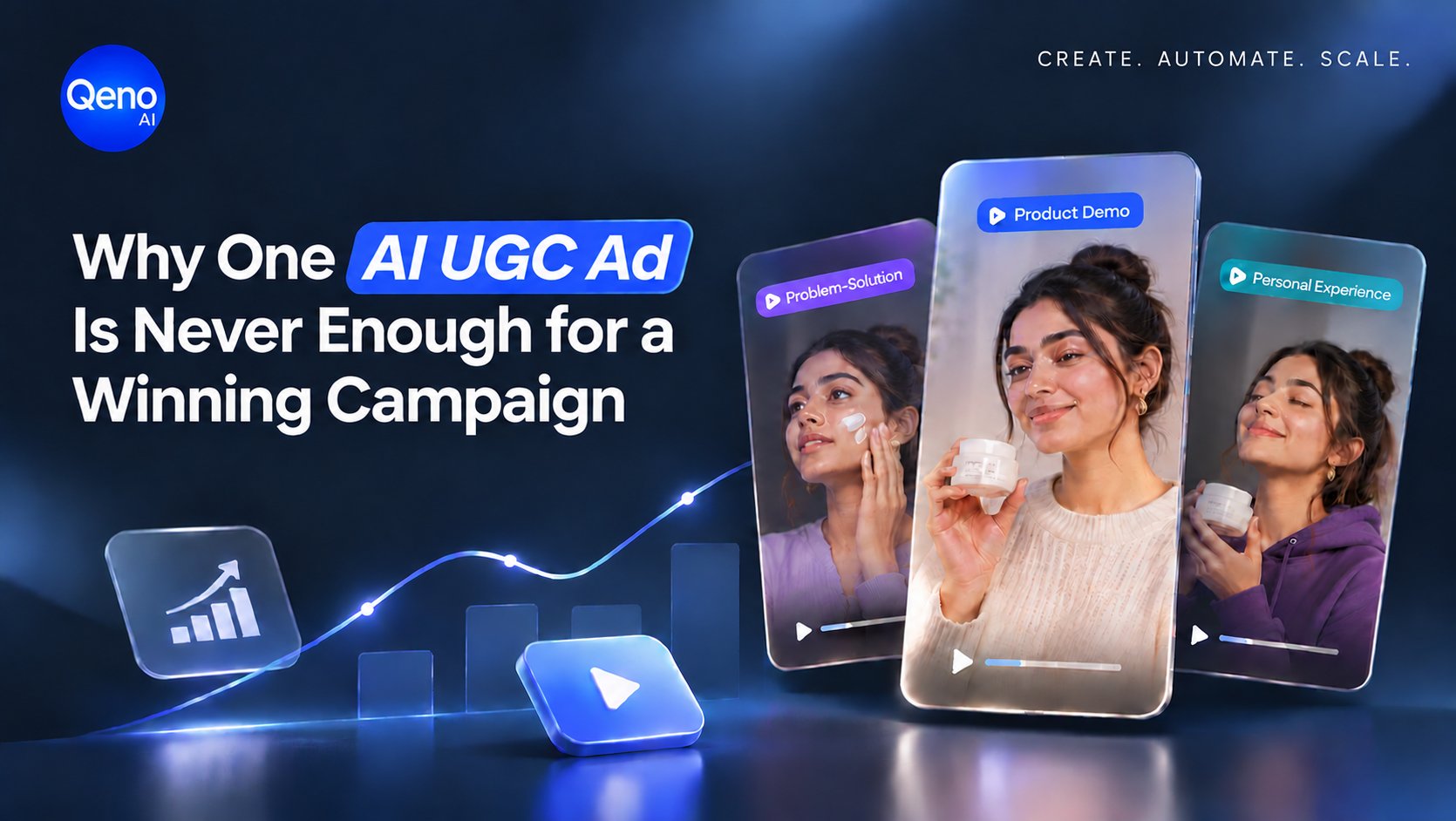
Creating a good UGC-style video ad is a great starting point. But if you're running a marketing campaign, relying on just one video may limit what you can learn about your audience and what actually drives results.
Different people respond to different messages. Some connect with a relatable problem, others pay attention to a product demonstration, while some need to see the product in action before considering a purchase.
That's why successful advertising isn't just about creating one good video. It's about exploring different creative approaches and discovering which ones work best.
With AI UGC ads, brands can make this process more flexible and easier to manage.
1. One message doesn't connect with every audience
Imagine you're promoting a skincare product.
You create an ad highlighting its ingredients and benefits. It looks good, explains the product clearly, and feels like a natural creator recommendation.
But what if your potential customers are more interested in solving a specific skincare concern than learning about ingredients?
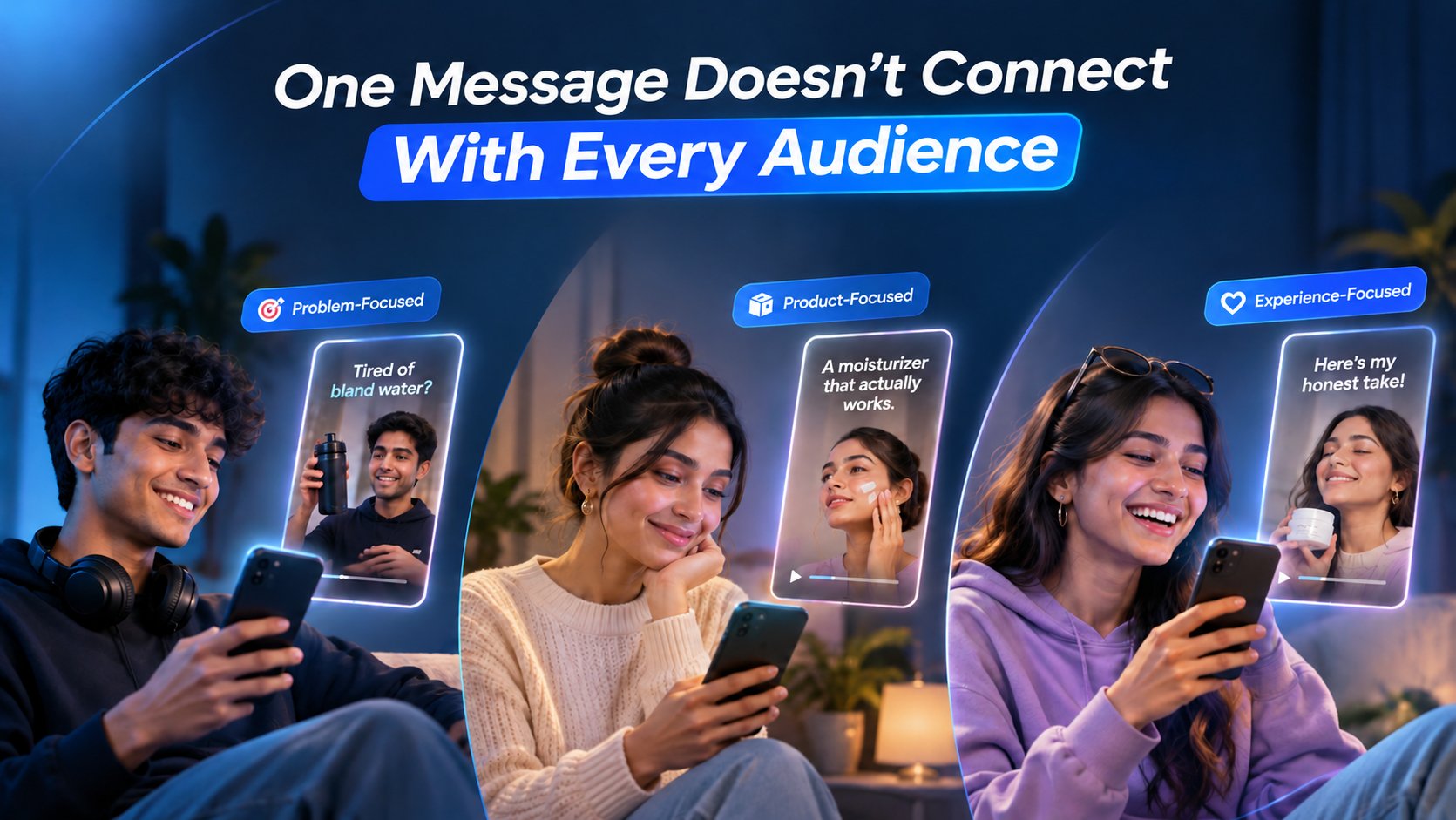
The same product can be introduced through different perspectives:
- Problem-focused: Address a common skincare concern.
- Product-focused: Demonstrate how the product fits into a daily routine.
- Experience-focused: Show a relatable, creator-style product experience.
- Benefit-focused: Highlight what makes the product useful.
The product remains the same, but the message changes.
Creating multiple creative directions gives brands more opportunities to connect with different audience interests.
2. The hook can change everything
The first few seconds of a video determine whether someone continues watching or scrolls past.
Even a well-produced advertisement can struggle if its opening doesn't capture attention.
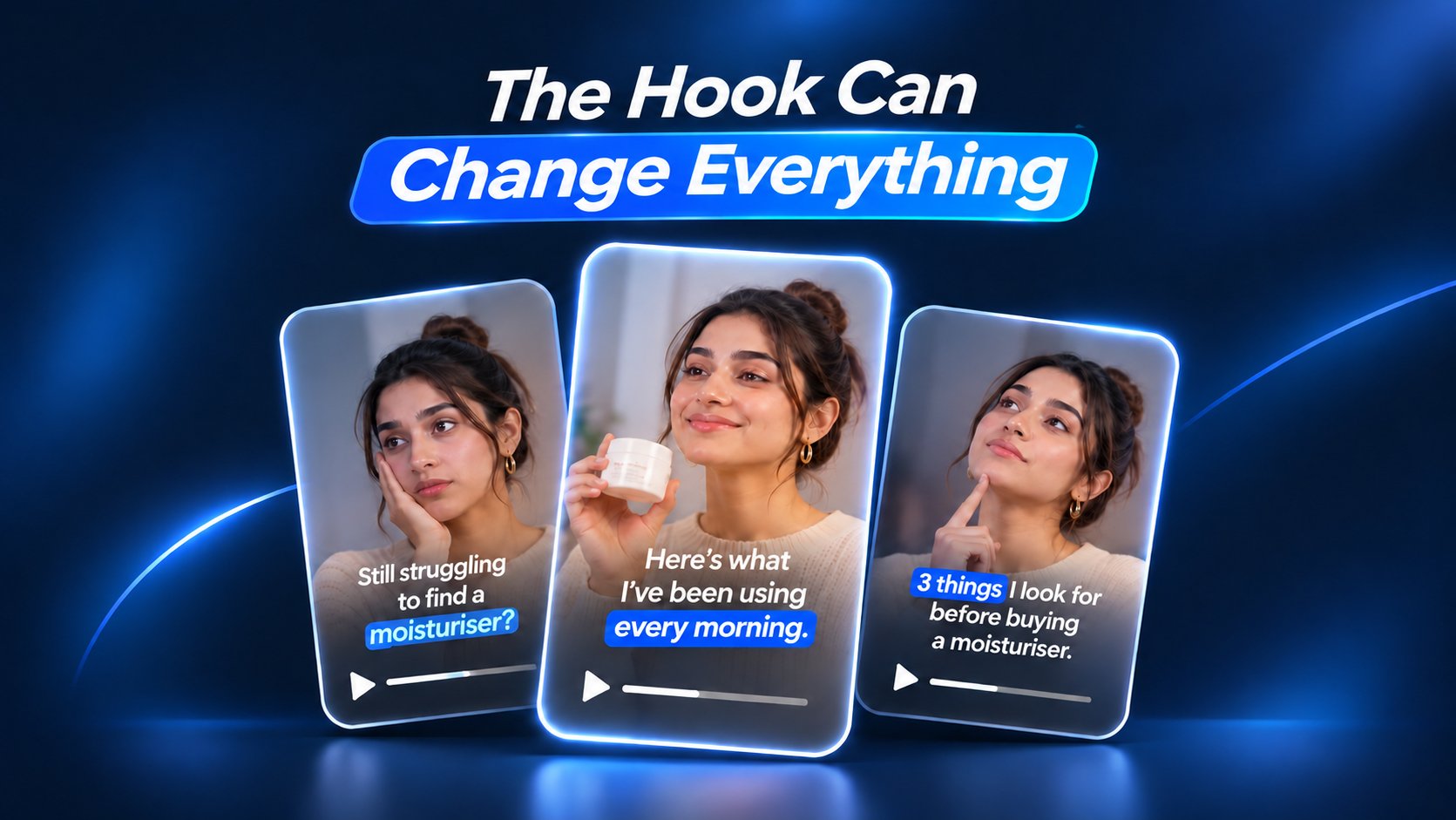
Consider these three approaches for the same product:
"Still struggling to find a moisturiser that suits your routine?"
"Here's what I've been using every morning."
"Three things I look for before buying a moisturiser."
Each opening introduces the product differently.
One focuses on a problem, another feels like a personal recommendation, and the third creates curiosity.
Rather than assuming one opening will work for everyone, brands can experiment with different hooks and observe which ones attract attention.
3. Creative testing should be part of your advertising process
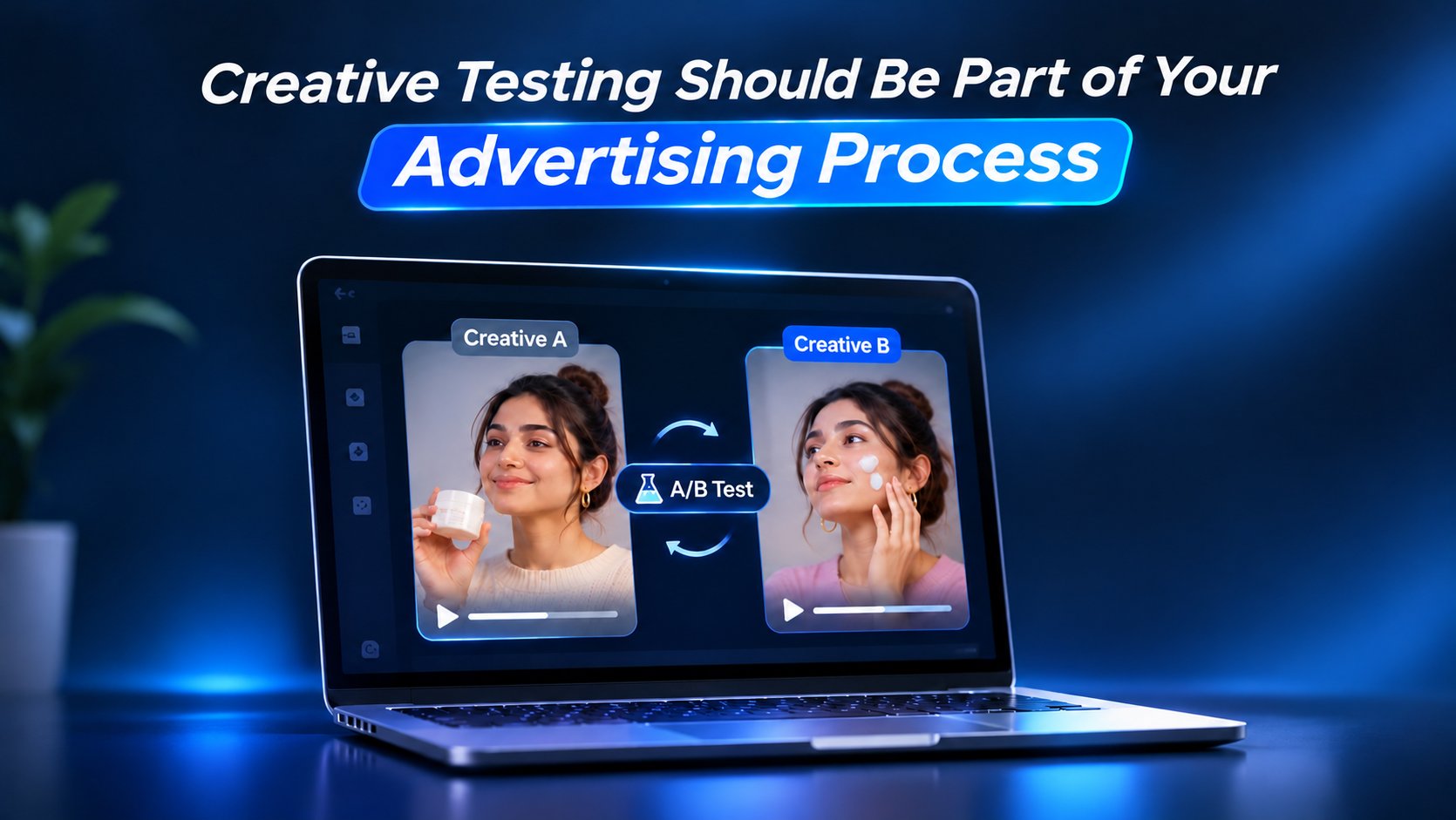
An advertisement shouldn't be judged only by how good it looks.
Its performance depends on how people respond to it.
That's where creative testing becomes important. Brands can experiment with:
- Different opening hooks.
- Different creator styles.
- Product demonstrations versus personal experiences.
- Different scripts and messaging.
- Different video lengths and formats.
The objective is not to change everything at once. It's to understand which creative elements make a difference.
For example, if two videos use the same product but different opening hooks, comparing their performance can help identify which message resonates more with the audience.
This gives brands a more informed direction for their next campaign.
4. Why creative fatigue makes fresh ad variations important
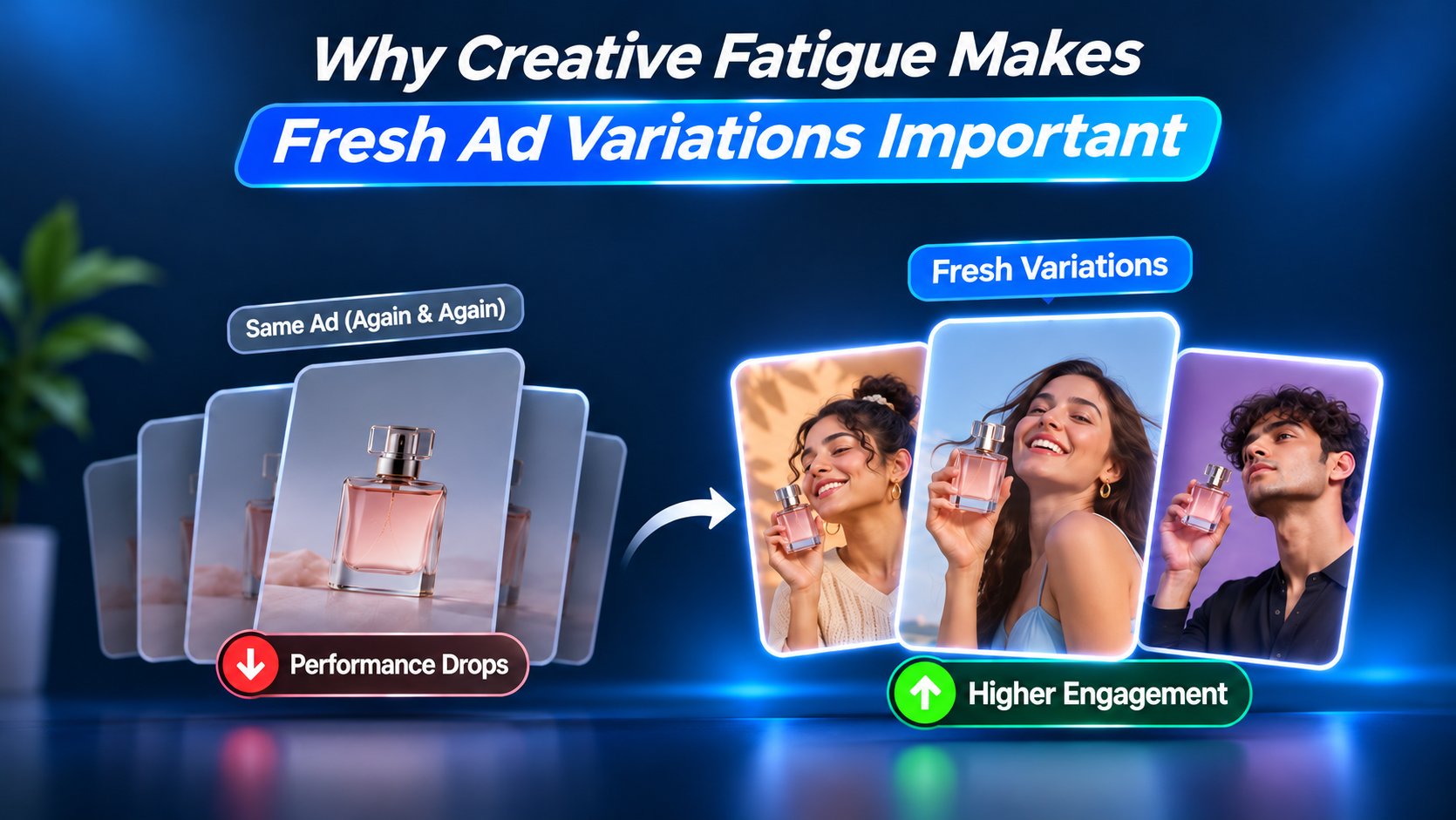
Even an advertisement that initially performs well may lose its effectiveness over time.
When audiences repeatedly encounter the same creative, they can become less interested in watching or engaging with it. This is commonly referred to as creative fatigue.
One way to address this is by refreshing the creative approach.
Instead of rebuilding an entire campaign every time, brands can explore new:
- Hooks and opening scenes.
- Product-use scenarios.
- Creator presentations.
- Scripts and storytelling approaches.
Fresh creative variations give brands more options to test and help prevent their advertising from depending on a single video.
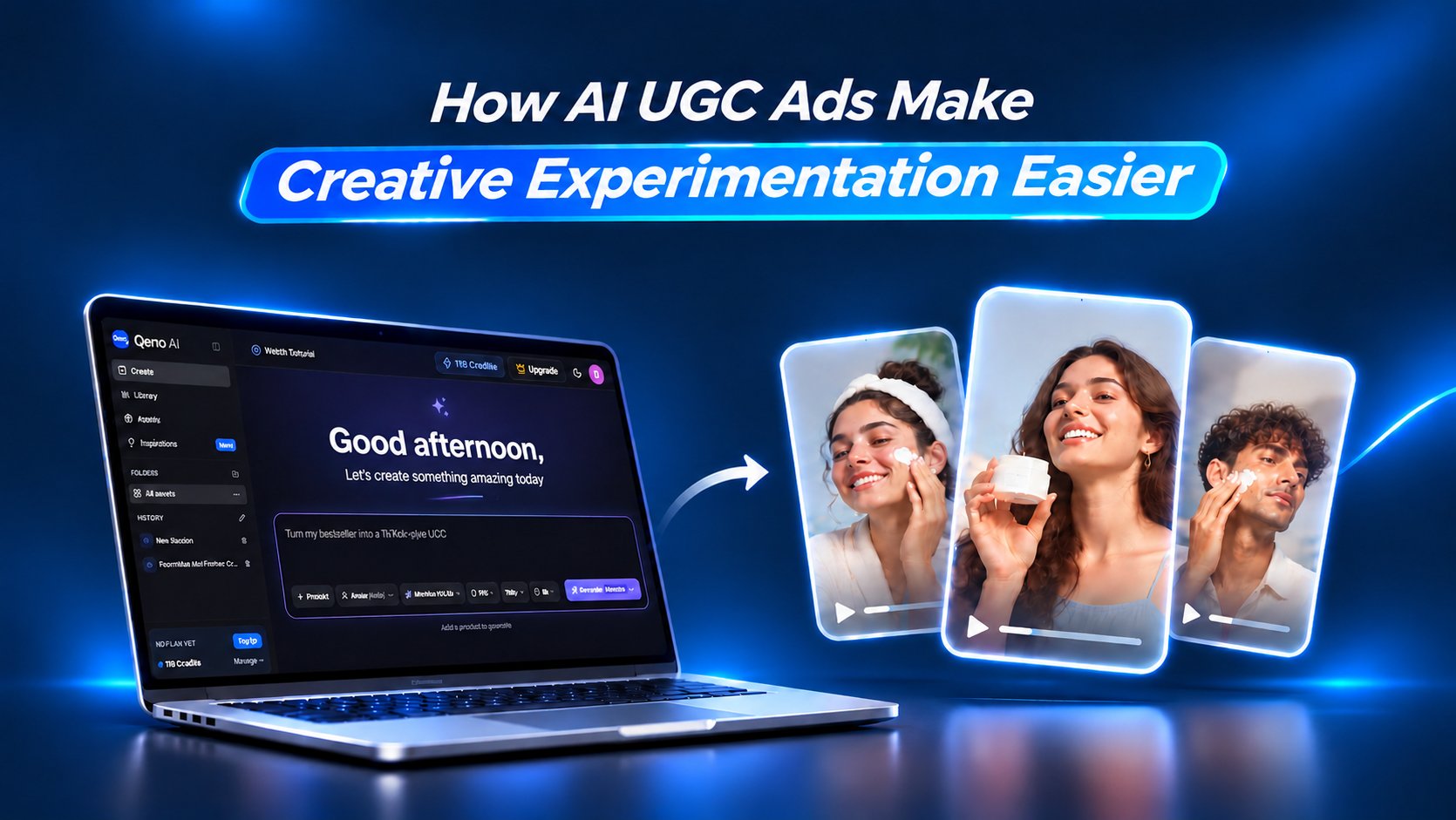
5. How AI UGC ads make creative experimentation easier
Traditionally, producing multiple UGC-style advertisements could involve coordinating creators, arranging product shoots, preparing scripts, managing locations and handling editing.
Repeating this process for every creative variation can require considerable time and resources.
AI UGC ad creation offers another approach.
With platforms like Qeno AI, brands can begin by adding their product through a product URL or by entering its details manually. They can then upload product images and describe the creative direction they want.
The platform's creation workflow helps turn those inputs into a video concept.
Users can provide an opening hook, define the video flow, select creator-related preferences and review the proposed direction before approving video generation.
This makes it easier to explore different creative approaches without organising a separate physical shoot for every variation.
The goal isn't simply to generate more videos. It's to make creative experimentation more accessible.
6. Build a creative testing approach that works for your brand
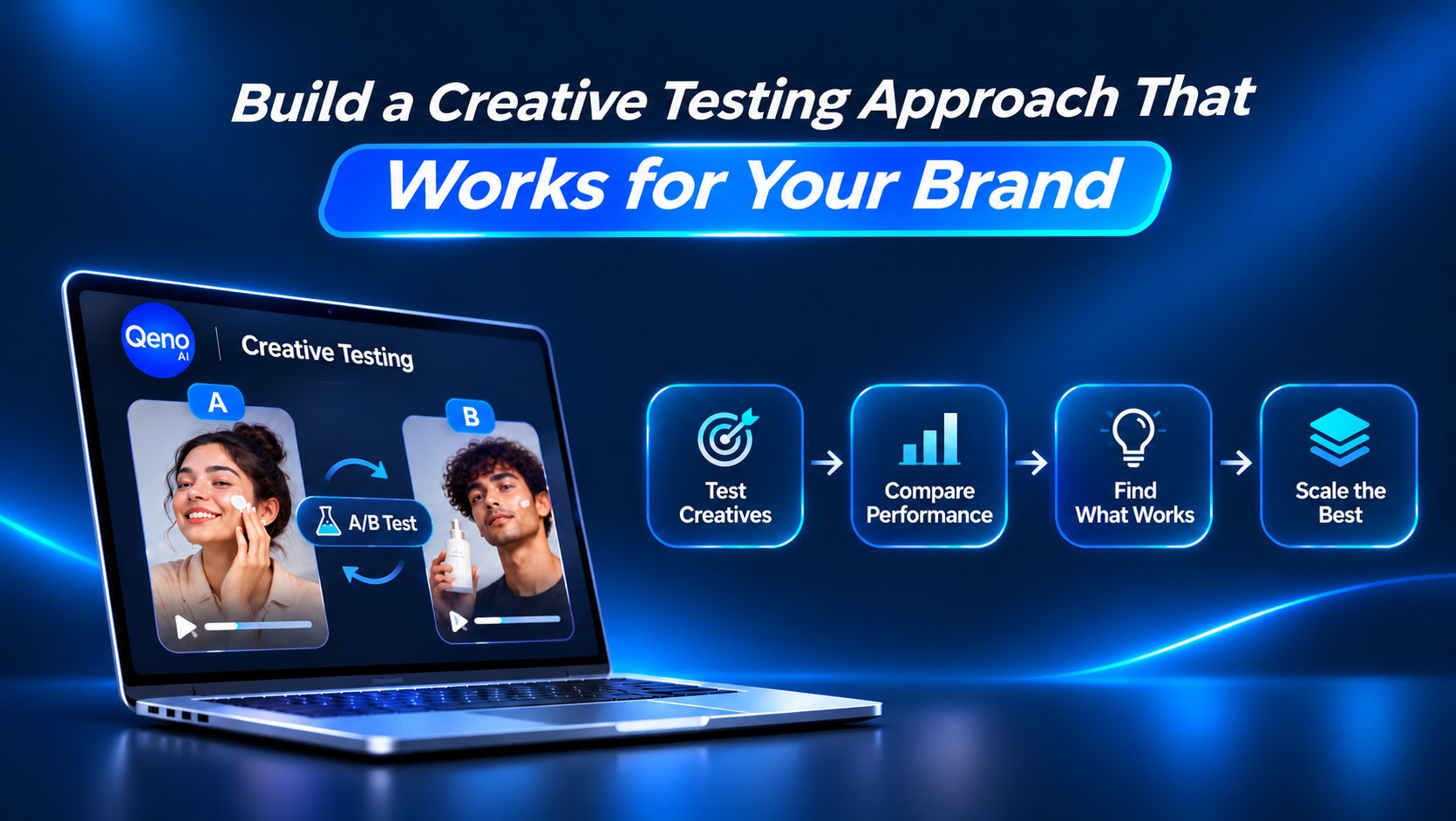
Creating multiple advertisements without a clear direction can lead to unnecessary variations.
A more structured approach can help.
- Step 1: Start with one product: Choose a product you want to promote and identify its most important selling points.
- Step 2: Identify different customer interests: Think about the problems, needs and benefits that matter to your potential customers.
- Step 3: Develop different hooks: Write multiple openings that introduce the product from different perspectives.
- Step 4: Explore different creative directions: Experiment with product demonstrations, everyday-use scenarios and conversational creator-style presentations.
- Step 5: Compare the results: Look at relevant campaign metrics such as watch time, engagement, click-through rate and conversions.