AI UGC ads
Your AI UGC Ad Looks Real. But Does It Actually Sell?
Table of Contents
- 01Authenticity Isn't the Same as Being Convincing
- 02The First Few Seconds Need a Reason to Stay
- 03Don't Let the Product Disappear Behind the Presentation
- 04Creator, Script and Audience Need to Fit Together
- 05One Video Isn't Always Enough
- 06Views Are Nice. What Happens After the View?
- 07AI Makes Production Easier. Strategy Makes the Difference.
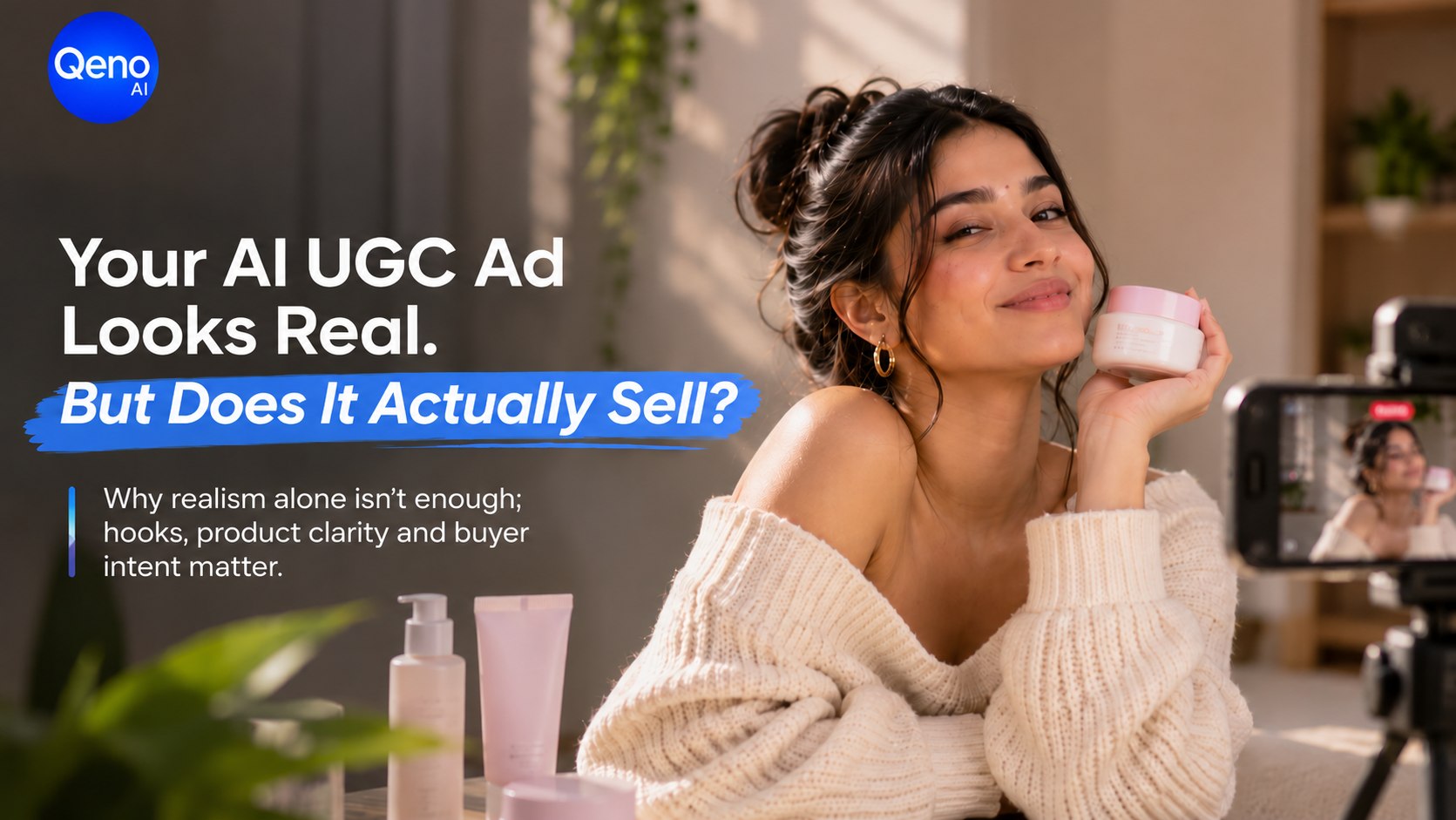
Realistic creators, convincing expressions and polished product shots are impressive. But none of that guarantees someone will buy what you're advertising.
Let's be honest. AI-generated UGC has come a long way.
A few years ago, it was easy to spot an AI-generated face or an unnatural product presentation. Today, creator-style videos can look surprisingly close to something filmed at home with a phone. The expressions feel more natural, backgrounds look believable, and the overall quality has improved considerably.
For brands, that's exciting. Creating video ads no longer has to involve arranging every shoot, finding creators and coordinating production schedules. It opens up more room to experiment with different creative ideas without making every change a full production exercise.
But there's something we don't talk about enough.
A video can look completely real and still be a bad advertisement.
Think about it. Someone is scrolling through Instagram and comes across a video of a creator holding a skincare product. The lighting looks good, the creator seems natural and the video feels authentic.
But what if the opening is boring? What if the product's benefits aren't clear? What if there's nothing that makes the viewer want to know more?
They simply scroll past.
And that's where the real conversation about AI UGC should begin.
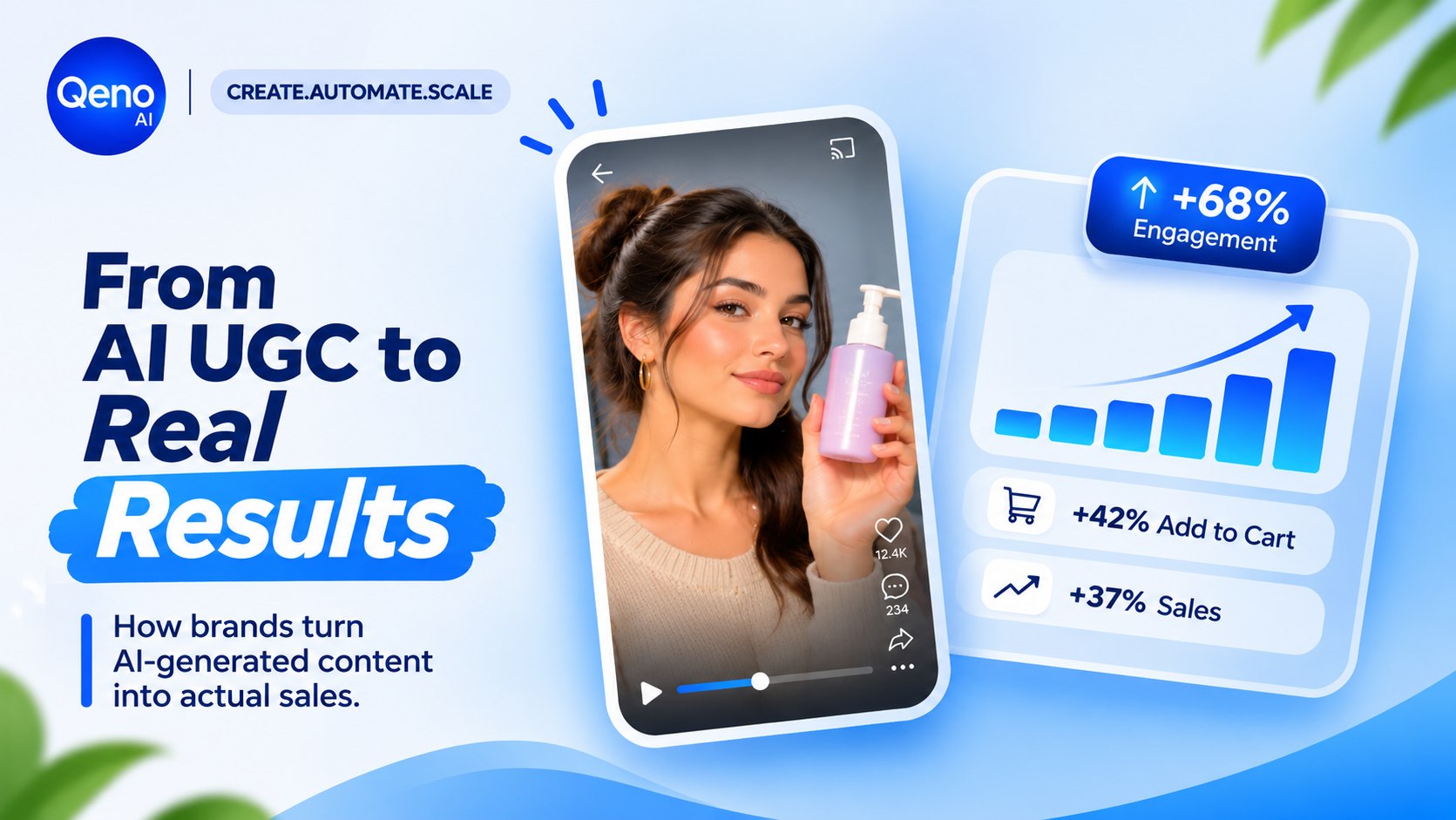
Looking authentic is not the same as being convincing
One of the biggest mistakes brands can make is treating realism as the final goal.
Yes, a creator should look natural. Their expressions, voice and presentation should feel comfortable rather than scripted. But authenticity is only one part of the experience.
People don't buy a product just because someone is holding it in a convincing video. They want to understand how it fits into their lives, what problem it solves and why they should consider it over other options.
A skincare brand, for example, could create a beautiful video of a creator applying moisturiser. But a video that talks about a common skincare concern, demonstrates the product's texture and explains its actual benefits gives viewers much more to connect with.
The difference isn't necessarily the production quality. It's the thought behind the content.
There's also a difference between looking like a real creator and communicating like someone a viewer can relate to. A perfectly polished script can sometimes feel like a sales pitch. A simple, specific experience can feel much more believable.
The goal shouldn't be to make every video look perfect. It should be to make the message feel relevant.
The first few seconds need a reason to stay
We've all seen those videos that begin with, "Hey guys, welcome back!"
There's nothing inherently wrong with that opening, but in an advertisement, every second matters.
A viewer who doesn't know your brand has very little reason to wait for the interesting part. They are not necessarily looking for your product. Your content has to give them a reason to stop.
Compare these two openings:
"Hey guys, today I'm reviewing a new face serum."
"If your skin still feels dry after moisturising, this might be why."
The second one immediately introduces a situation that a particular audience might relate to.
That's the job of a good hook. It doesn't need to be loud, dramatic or full of trendy words. It needs to give the right person a reason to keep watching.
There are several ways to approach this. A video can begin with a relatable problem, an unexpected observation, a product demonstration or even a question that makes someone curious.
The best approach depends on what the product does and who the brand wants to reach.
When creating AI UGC videos, brands often spend considerable time choosing the creator, background and visual style. The script deserves the same attention. A great-looking creator cannot rescue an idea that has nothing interesting to say.
Don't let the product disappear behind the presentation
Here's something worth paying attention to: sometimes the video looks so good that the actual product becomes an afterthought.
The creator is expressive, the background is attractive and the editing is smooth. But viewers finish watching without remembering what makes the product worth considering.
This becomes especially important with AI-generated videos.
The product needs to look like the product being sold. Its packaging, colour, shape and important details should remain accurate. The demonstration should make sense, and the claims should match what the brand can genuinely promise.
Imagine an advertisement for a pair of headphones. Showing a creator smiling while wearing them might look appealing, but demonstrating their noise cancellation, comfort or sound quality gives the viewer something more concrete to understand.
Similarly, a food brand should focus on the actual food, its texture and the experience of consuming it, rather than relying entirely on an attractive creator.
A small visual inconsistency might seem harmless during production, but it can make a brand look careless.
Good creative work doesn't just make a product look attractive. It makes the product easier to understand.
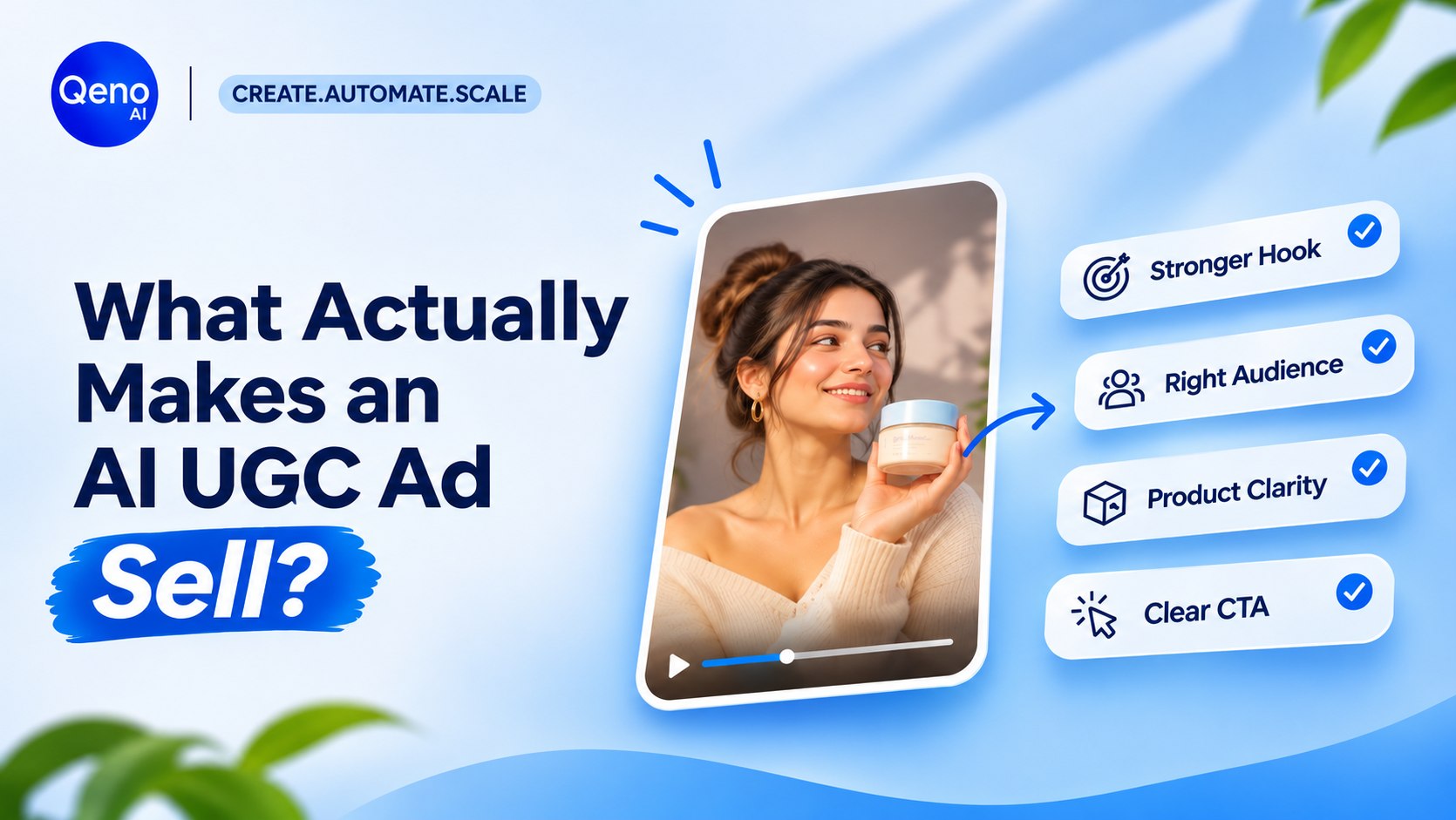
The creator, the script and the audience need to make sense together
Another thing brands sometimes overlook is whether the person presenting the product actually fits the audience.
A fitness product, a luxury skincare range and a budget-friendly kitchen gadget don't necessarily need the same kind of creator or presentation.
The choice of creator influences how the entire advertisement feels. Their appearance, communication style, setting and way of presenting the product should make sense for the brand.
For example, a fitness supplement might work better with an energetic, fitness-focused creator demonstrating how the product fits into a routine. A home organisation product might benefit from someone showing how they use it in an everyday setting.
This doesn't mean every brand needs to follow a fixed formula. In fact, experimenting with different creator styles can help brands discover what connects with their audience.
But those choices should have a purpose. Simply generating a different face for every video isn't the same as developing a creative strategy.
One video isn't always enough
Imagine launching a new pair of sneakers.
You could make one video showing the shoes, another featuring someone styling them for everyday wear, and a third focusing on comfort or a particular design detail.
It's the same product, but each video gives people a different reason to pay attention.
This is one of the more interesting opportunities with AI UGC.
Instead of treating one video as the entire campaign, brands can explore different creators, scripts, hooks and storytelling approaches. They can also adapt the same core idea for different audiences and platforms.
Someone discovering your brand for the first time might respond to a relatable problem. Someone already considering the product might want to see how it works or what makes it different.
The important thing is to test different ideas rather than assuming that the first good-looking video will be the best-performing one.
And testing doesn't mean changing everything at once. Sometimes, keeping the visuals similar while testing two different hooks can reveal whether the opening message is making a difference. At other times, changing the creator or demonstration style might be worth exploring.
The point is to learn something from every version.
Views are nice. But what happens after the view?
A video getting attention is a good start. It doesn't tell you the whole story.
If people watch but don't click, perhaps the creative isn't giving them a strong enough reason to take the next step.
If people click but don't purchase, the issue might be the offer, product page or a mismatch between what the ad promises and what the customer finds.
That's why brands should look beyond views and consider watch time, click-through rate, conversions and acquisition costs.
Different metrics answer different questions:
- Watch time: can help indicate whether people are staying with the content.
- Click-through rate: can show whether the advertisement is encouraging further interest.
- Conversions: help connect the creative to actual business outcomes.
There isn't one magic metric that makes an advertisement successful. The useful part is understanding what the numbers are telling you and using that information to improve the next creative.
A video with fewer views might still bring more relevant visitors or sales than one that gets a lot of attention but very little action.
This is why creative decisions shouldn't be based on appearance alone.
AI makes production easier. Strategy still makes the difference.
The biggest opportunity with AI UGC isn't simply creating videos faster. It's having more room to explore ideas.
Brands can experiment with different scripts, creator styles, product demonstrations and storytelling approaches. They can create variations without treating every new idea as an entirely new production project.
That can be especially useful for smaller brands that want to produce regular video content but have limited time, resources or access to creators.
However, easier production also means brands need to be more thoughtful about what they choose to produce. When creating another version becomes easier, it can be tempting to generate more videos without asking whether the idea is actually worth testing.
More content doesn't automatically mean better content.
Before creating another AI UGC video, take a step back and look at the idea itself.
- Does the opening give someone a reason to stay?
- Does the script speak to the intended audience?
- Is the product being presented accurately?
- Does the video communicate a benefit, rather than simply showing a product?
- Does the viewer know what to do next?
These questions might sound simple, but they're often what separates a video that merely looks good from one that has a clear advertising purpose.
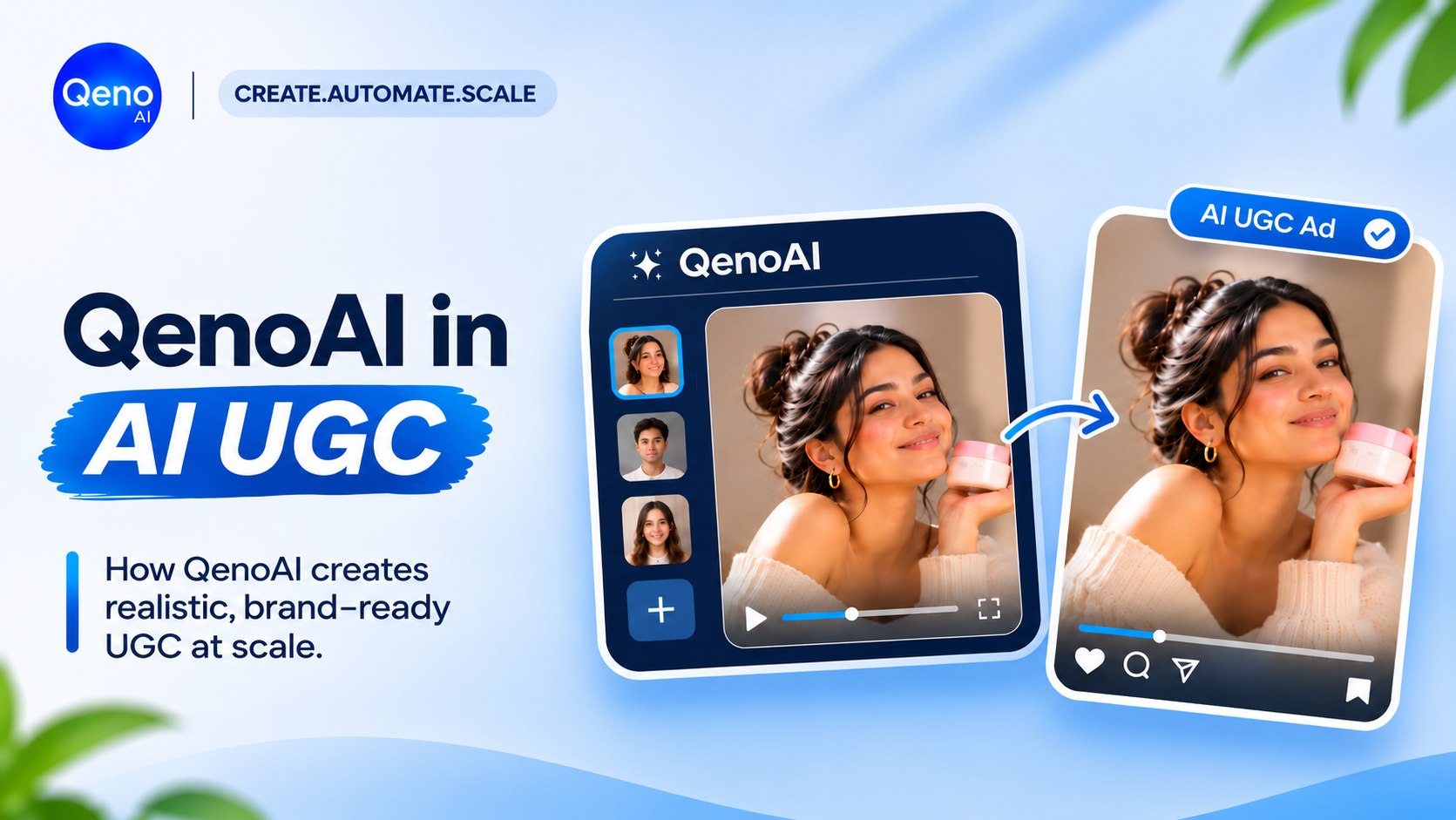
At Qeno AI, that's the opportunity we find most interesting: making AI-powered UGC video creation more accessible while giving brands room to experiment with how they present their products.
Because ultimately, looking real is one thing. Giving people a reason to buy is another.